
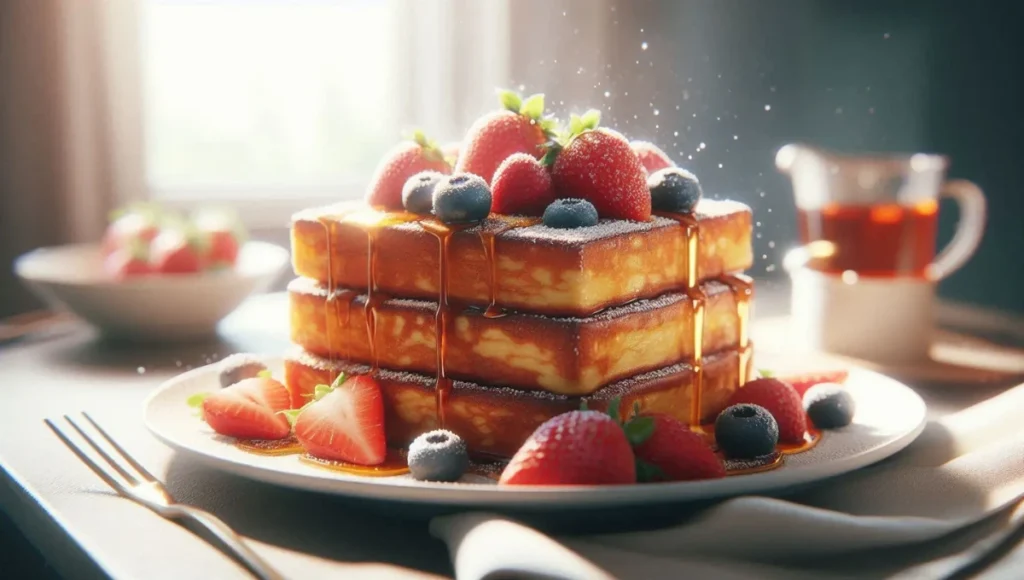

Few breakfasts can compete with the warm, nostalgic comfort of a perfectly made french toast recipe. It is simple, affordable, and incredibly satisfying. Whether you are preparing a slow weekend breakfast, a quick weekday treat, or a brunch for guests, french toast always delivers joy on a plate.
In this complete guide, you will learn not just how to make french toast, but how to make it unforgettable. From choosing the right bread to mastering flavors, textures, and toppings, this blog is designed to be easy to understand, reader-focused, and friendly for both beginners and experienced home cooks.
Let’s dive into the golden world of french toast 🍞✨
Why the French Toast Recipe Is a Breakfast Classic Loved Worldwide

French toast is more than just soaked bread cooked in a pan. It is a dish full of history, comfort, and flexibility. Across cultures, variations of this dish exist because it solves a universal problem: what to do with day-old bread.
First of all, the beauty of a french toast recipe lies in its simplicity. With basic ingredients like eggs, milk, and bread, you can create something rich and satisfying. Additionally, it adapts easily to sweet or savory preferences, making it suitable for everyone at the table.
Moreover, french toast is loved because it feels indulgent without being complicated. You do not need special tools or professional skills. Instead, a bowl, a pan, and a little patience are enough. As a result, this recipe has stood the test of time and continues to appear on breakfast tables worldwide.
Ingredients That Make or Break the Perfect French Toast Recipe
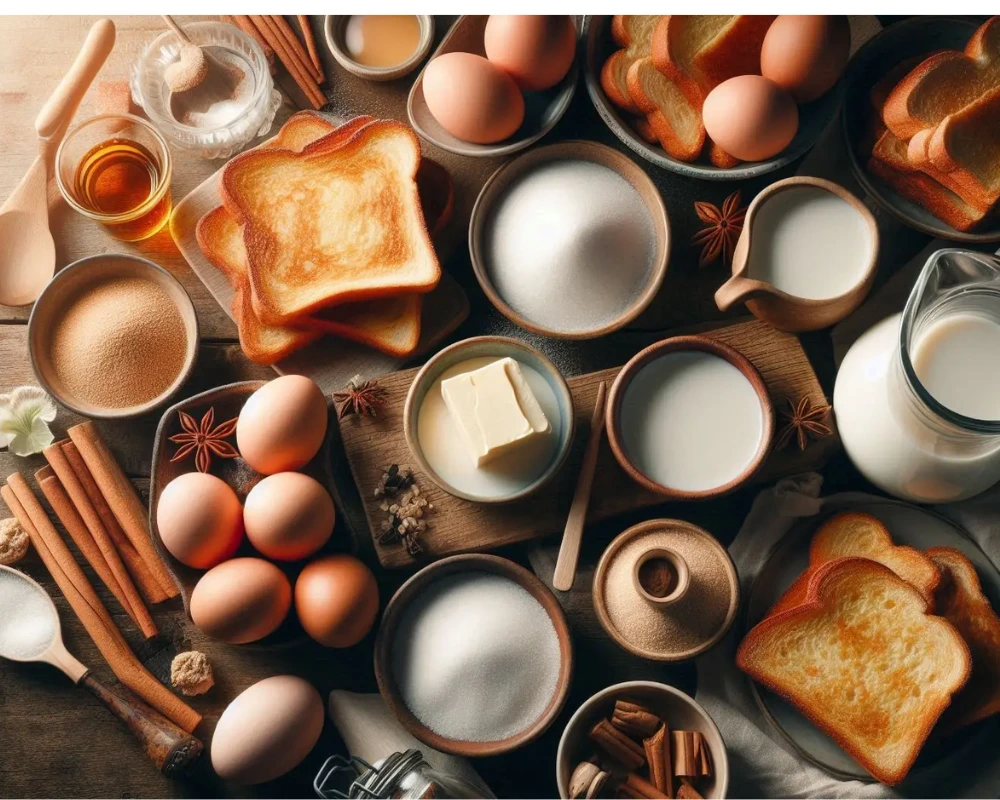
Choosing the right ingredients is the foundation of a successful french toast recipe. While the list is short, each item plays a crucial role in flavor and texture.
Basic Ingredients You Will Need
- Bread (thick slices work best)
- Eggs
- Milk or cream
- Sugar
- Vanilla extract
- Cinnamon
- Butter or oil for cooking
Firstly, bread selection matters more than most people realize. Brioche, challah, or thick white bread absorbs the custard mixture beautifully without falling apart. On the other hand, very thin or fresh bread can turn soggy too quickly.
Secondly, the egg-to-milk ratio determines the final texture. Eggs provide structure, while milk adds creaminess. Therefore, balancing these two ensures your french toast is soft inside but golden and crisp outside. Adding vanilla and cinnamon enhances aroma and flavor, making every bite feel special.
Step-by-Step French Toast Recipe for Foolproof Results
Now let’s move to the heart of this guide: the actual french toast recipe. Follow these steps carefully, and you will achieve consistent, delicious results every time.
Step 1: Prepare the Custard Mixture
In a wide bowl, whisk together:
- 2 large eggs
- ½ cup milk
- 1 tablespoon sugar
- ½ teaspoon cinnamon
- 1 teaspoon vanilla extract
Make sure everything is well combined. This mixture should look smooth and slightly frothy.
Step 2: Soak the Bread Correctly
Dip each slice of bread into the mixture. However, do not soak for too long. About 10–15 seconds per side is enough. This allows the bread to absorb flavor without becoming mushy.
Step 3: Cook to Golden Perfection
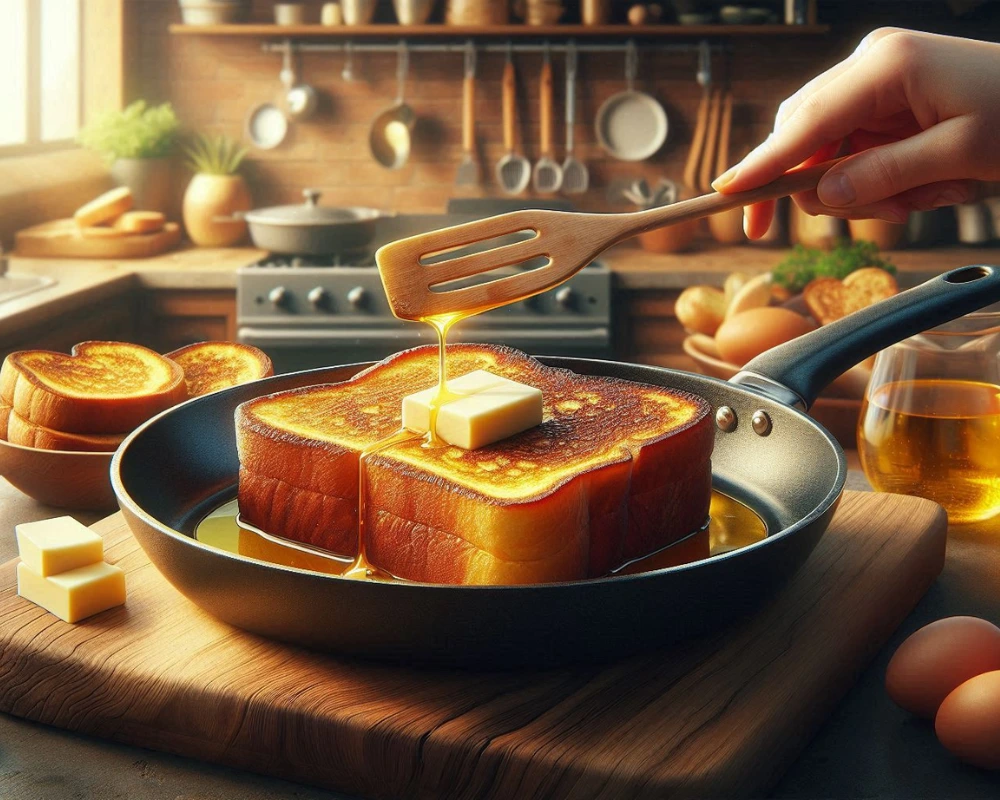
Heat a non-stick pan over medium heat and add butter. Once melted, place the soaked bread on the pan. Cook each side for 2–3 minutes until golden brown. Flip gently to avoid tearing.
As a result, you will get crispy edges with a soft, custardy center—exactly what a classic french toast recipe should deliver.
Common Mistakes to Avoid When Making French Toast
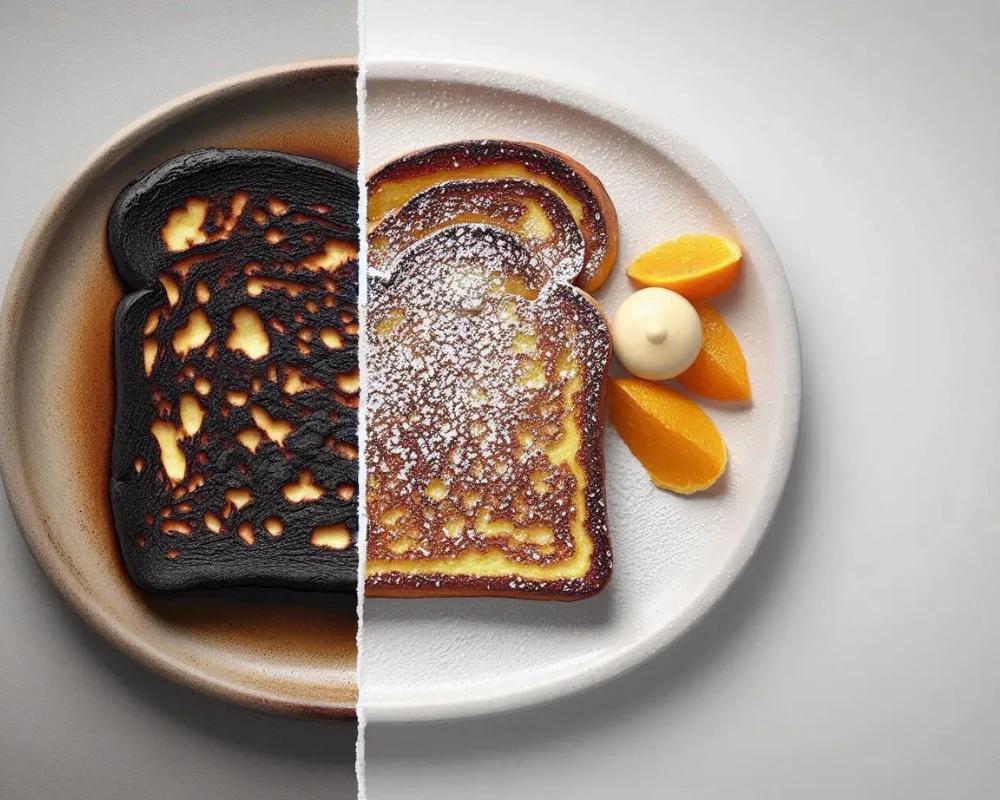
Even though french toast seems simple, small mistakes can affect the final outcome. Understanding these pitfalls will instantly improve your results.
Firstly, using very high heat is a common error. High heat browns the outside too quickly while leaving the inside undercooked. Instead, medium heat ensures even cooking and better texture.
Secondly, many people over-soak the bread. While absorption is important, too much liquid causes sogginess. Therefore, always watch the soaking time closely. Additionally, forgetting to season the custard properly results in bland french toast. A pinch of salt actually enhances sweetness and balances flavors.
By avoiding these mistakes, your french toast recipe will taste restaurant-quality every time.
Creative Variations to Elevate Your French Toast Recipe
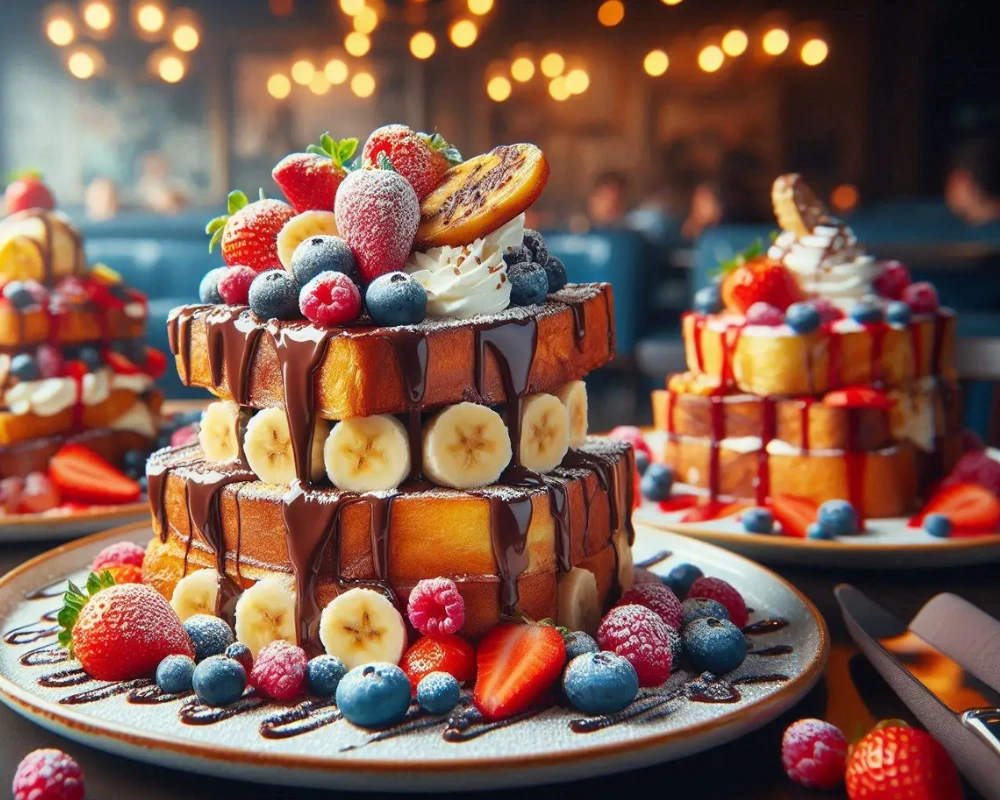
One of the best things about a french toast recipe is its flexibility. Once you master the basics, you can explore countless variations.
Sweet Variations
- Stuffed french toast with cream cheese
- Banana and Nutella french toast
- Apple cinnamon caramel french toast
These versions are perfect for special mornings or brunch gatherings. Adding fruits and fillings creates layers of flavor and texture that feel luxurious.
Savory Variations
- Cheese and herb french toast
- Garlic butter french toast
- French toast with eggs and avocado
Savory french toast works well as a breakfast-for-dinner option. It proves that this dish is not limited to sweet toppings only. Consequently, you can enjoy french toast any time of day.
Best Toppings and Serving Ideas for French Toast
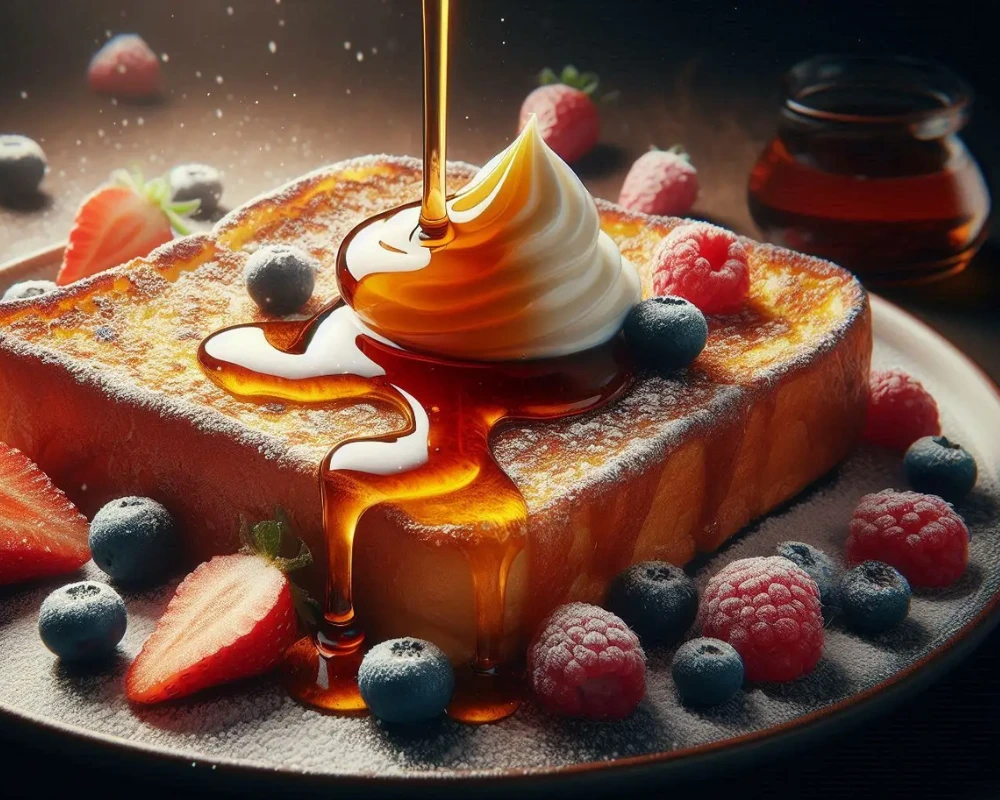
Toppings can completely transform a simple french toast recipe into a show-stopping meal. Choosing the right combination enhances both flavor and presentation.
Classic toppings include maple syrup, powdered sugar, and fresh berries. These options highlight the natural sweetness of the toast without overpowering it. Meanwhile, whipped cream or honey adds a creamy, indulgent touch.
For a healthier approach, consider yogurt, nuts, and fresh fruit. These toppings add crunch and freshness, making your breakfast more balanced. As a result, you can enjoy french toast guilt-free while still satisfying your cravings.
Health Tips and Ingredient Swaps for a Better French Toast Recipe
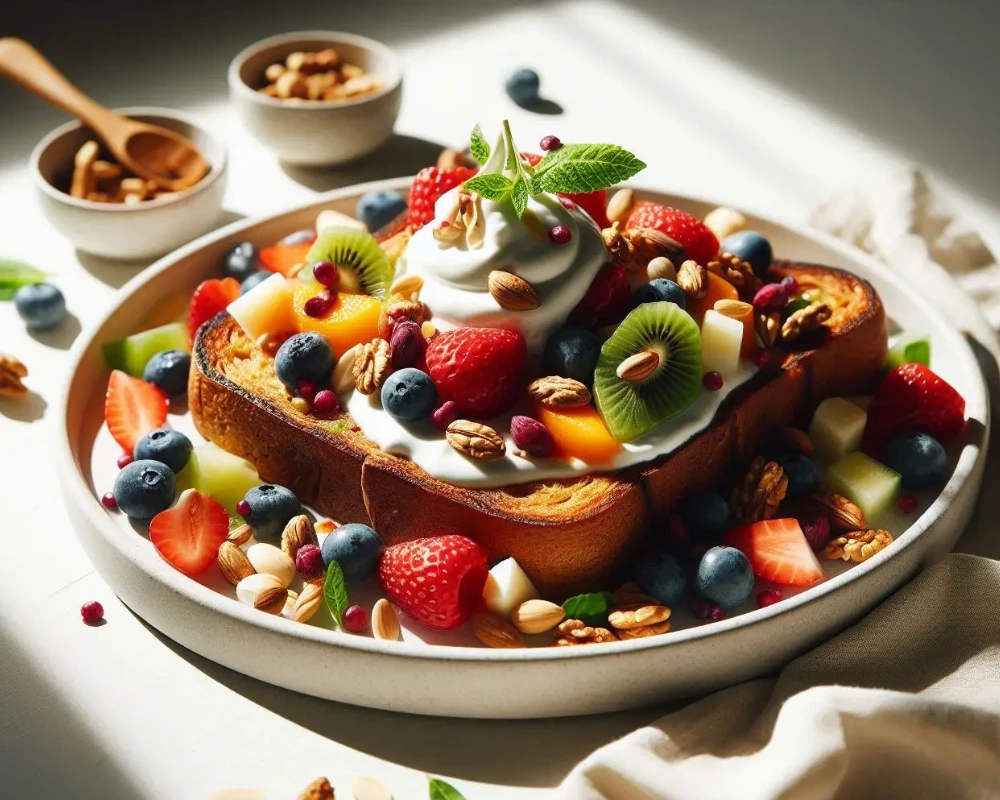
French toast can be indulgent, but it can also be made healthier with a few smart changes. Small swaps make a big difference without sacrificing taste.
Firstly, use whole-grain or multigrain bread instead of white bread. This adds fiber and keeps you full longer. Secondly, replace full-fat milk with almond milk, oat milk, or low-fat milk.
You can also reduce sugar by using natural sweeteners like honey or mashed banana. Cooking with minimal butter or using a non-stick pan further lowers calorie intake. Therefore, a healthier french toast recipe is absolutely achievable.
Also Read:Earn Money Online Without Investment for Students
What is the best bread for a french toast recipe?
Thick bread like brioche, challah, or Texas toast works best because it absorbs liquid without breaking.
Can I prepare french toast ahead of time?
Yes, you can cook it and store it in the refrigerator for up to 2 days. Reheat in a pan or oven.
Is french toast suitable for kids?
Absolutely. It is soft, nutritious, and can be customized with healthy toppings.