
Why This Question Matters
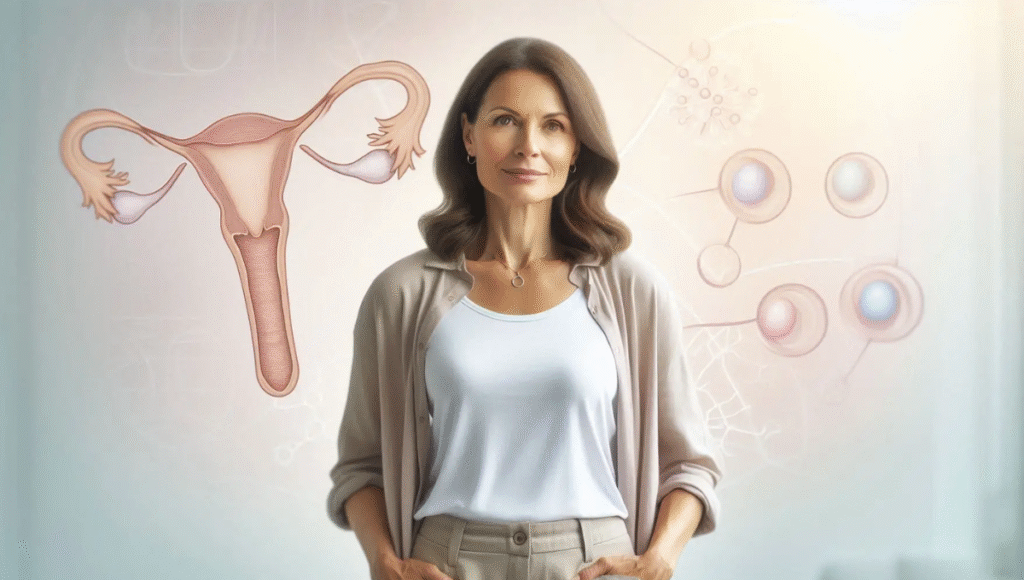
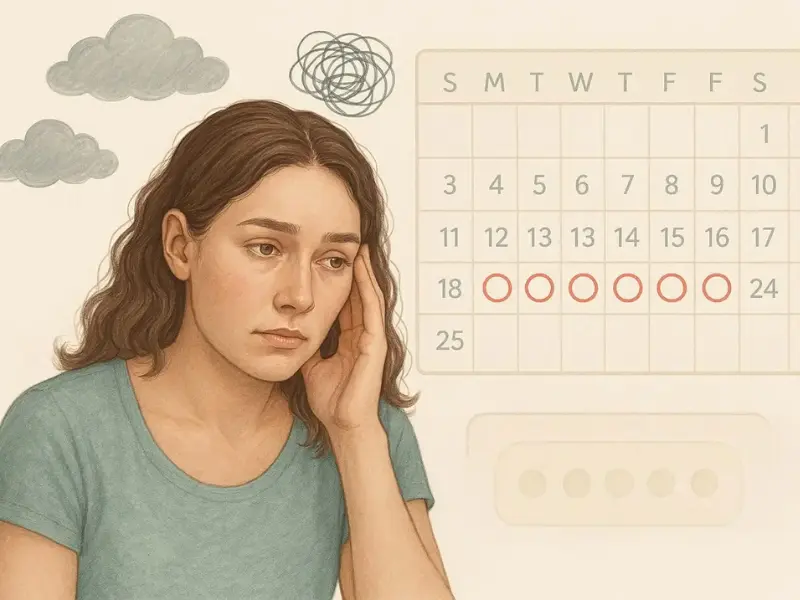
Women often notice changes in their periods during stressful times and wonder, does mental health affect menstrual cycle? The answer is yes. Mental health plays a bigger role in menstrual health than most people realize.
Your emotions and stress levels directly influence the brain, which controls hormone release. These hormones regulate your cycle. When your mind is under pressure, your body may respond with irregular periods, painful cramps, or even missed cycles. Asking does mental health affect menstrual cycle is therefore an important health question every woman should consider.
Takeaway: Mental health and menstrual health are deeply linked. Caring for one automatically supports the other.
The Brain-Hormone Connection
The menstrual cycle is not just about the uterus and ovaries—it begins in the brain. The hypothalamus communicates with the pituitary gland, which sends signals to the ovaries to release hormones like estrogen and progesterone.
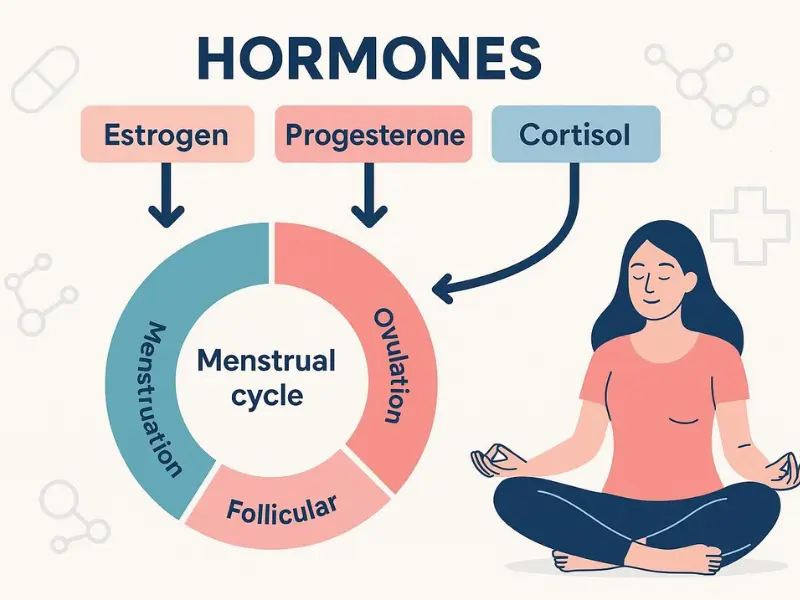
When mental health struggles disrupt the hypothalamus, the signals can weaken or misfire. This may delay ovulation, cause hormonal imbalance, and shift your cycle. That’s why experts often answer the question does mental health affect menstrual cycle with a definite yes—it impacts hormone communication directly.
Insight: Your brain acts as the “manager” of your menstrual cycle. If the manager is stressed, the system can fail.
Also Read: How to Get Rid of Period Pain Instantly – 7 Fast & Natural Fixes
Stress and Its Effect on Periods
Stress is the most common mental health factor that affects the menstrual cycle. High stress releases cortisol, the “stress hormone,” which interferes with estrogen and progesterone. This is one of the strongest examples showing how does mental health affect menstrual cycle in real life.
This hormonal imbalance can lead to:
- Missed or delayed periods
- Heavier or lighter bleeding
- Painful cramps
- Mood changes before menstruation
Long-term stress can even stop your cycle completely—a condition called hypothalamic amenorrhea.
Reminder: Reducing stress is not just good for peace of mind—it also keeps your cycle healthy.
Anxiety and Depression – Hidden Period Triggers
Anxiety and depression are more than emotional states; they are medical conditions that impact the body. Women with anxiety often experience hormonal surges that shorten or lengthen their cycle. Many researchers studying does mental health affect menstrual cycle point to anxiety as a strong trigger.
Depression may cause:
- More intense PMS symptoms
- Severe cramps
- Fatigue during menstruation
- Mood swings that overlap with hormonal changes
Takeaway: Anxiety and depression can worsen menstrual symptoms and disrupt cycle regularity, further proving the answer to does mental health affect menstrual cycle is yes.
Also Read: Why Does My Breast Pain Before Periods? Causes and Relief
PMS, PMDD, and Mental Health
Premenstrual Syndrome (PMS) is already influenced by hormones. But poor mental health can amplify PMS symptoms such as irritability, sadness, and cravings. The question does mental health affect menstrual cycle becomes very clear here: emotional struggles worsen PMS.
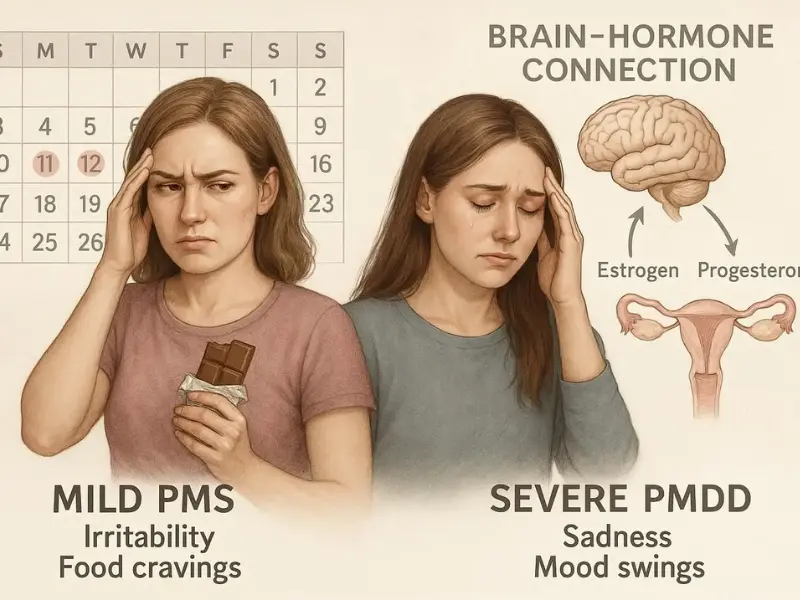
In more severe cases, women may develop Premenstrual Dysphoric Disorder (PMDD), a serious condition that combines extreme mood disturbances with menstrual changes. PMDD is often linked to mental health struggles and requires medical attention.
Quick Note: If PMS feels overwhelming and affects your daily life, it may be a sign of PMDD.
The Lifestyle Connection
Lifestyle habits are the bridge between mental and menstrual health. Poor sleep, irregular eating, smoking, or lack of physical activity can worsen both conditions. Studies show that lifestyle stress is one of the main answers when women ask, does mental health affect menstrual cycle.
Healthy lifestyle choices help balance stress and hormones:
- Exercise: Lowers cortisol and boosts mood-regulating endorphins.
- Nutrition: Foods rich in iron, magnesium, and omega-3 help reduce cramps and mood swings.
- Sleep: Restful sleep keeps hormones in check.
- Hydration: Drinking water reduces bloating and fatigue.
Insight: Lifestyle habits shape both mental health and menstrual balance.
Also Read: How to Ease Period Pains Fast: Quick and Effective Relief
How to Support Mental and Menstrual Health Together
Balancing mental and menstrual health is possible with consistent care. Start by tracking your cycle in an app or journal. Noting symptoms helps you recognize patterns linked to emotional stress.
Practical strategies include:
- Practicing mindfulness and meditation
- Journaling thoughts and feelings
- Talking to a therapist for emotional support
- Building a strong support system with friends or family
- Consulting a gynecologist if irregularities persist
Reminder: Seeking professional help for mental health is also a step toward menstrual health.
Breaking the Cycle of Silence
Many women don’t openly talk about the impact of mental health on their cycle. This silence makes it harder to find support or solutions. Talking openly with healthcare providers and loved ones can reduce the stigma.
When women recognize the link between mental health and menstruation, they gain the power to take proactive steps. Your period is a mirror of your overall well-being, and caring for your mind is a way of caring for your body.
Takeaway: Open conversations about mental health and periods create awareness and better health outcomes
Also Read: How to Know If Pregnancy Is Going Well – Key Signs to Notice
FAQs
Does mental health affect menstrual cycle directly?
Yes, mental health affects hormone regulation through the brain. Stress, anxiety, or depression can cause delayed, irregular, or painful periods.
How does stress show that does mental health affect menstrual cycle?
Stress raises cortisol levels, which interferes with estrogen and progesterone. This can delay ovulation, cause missed cycles, or worsen cramps.
Can anxiety and depression prove that does mental health affect menstrual cycle?
Absolutely. Women with anxiety and depression often face severe PMS, irregular bleeding, mood swings, and increased period pain.