
Hormones quietly control almost everything in our bodies—from energy levels and mood to muscles, bones, and even confidence. Yet when we hear the word testosterone, most people instantly think of men. This leads to a very common and important question: do women have testosterone?
The short answer is yes—absolutely. However, the real story is much deeper, more interesting, and incredibly important for women’s health.
In this detailed guide, we’ll explore what testosterone does in women, why women need it, how much is normal, and what happens when levels are too high or too low. Most importantly, we’ll explain everything in simple, human language—no medical confusion, no complicated science.
So, let’s begin this eye-opening journey. 🌸
Understanding Testosterone: Not Just a “Male Hormone”
Testosterone is often labeled as a “male hormone,” but this label is misleading. In reality, testosterone is a human hormone, and both men and women need it to function properly.
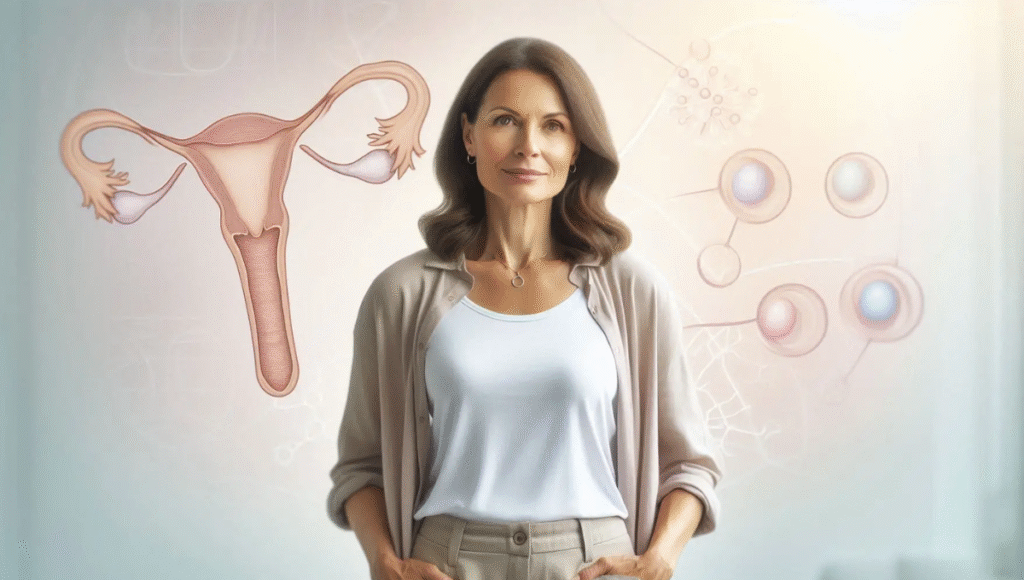
Women produce testosterone mainly in the ovaries, adrenal glands, and fat cells. Although women have much lower levels than men, this hormone still plays a critical role in overall health.
Moreover, testosterone works alongside estrogen and progesterone to keep the body balanced. Without it, many physical and emotional systems struggle.
So when people ask, “do women have testosterone?”, the answer isn’t just yes—it’s yes, and it matters a lot.
Do Women Have Testosterone Naturally? Here’s the Clear Answer
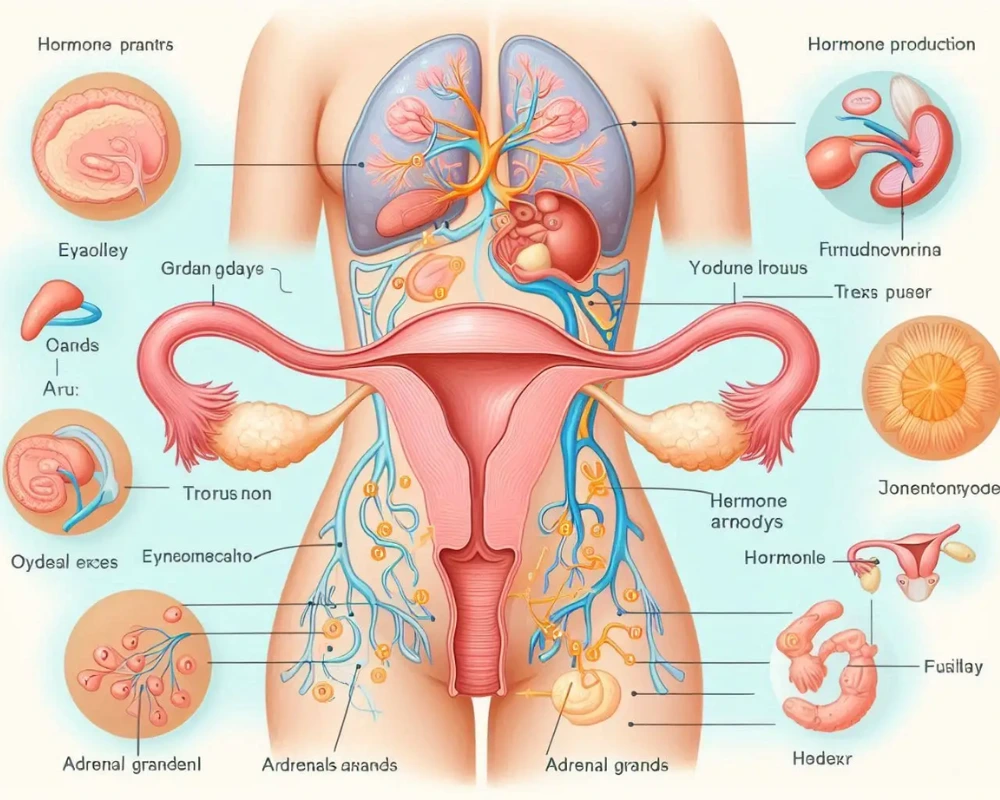
Yes, women naturally produce testosterone from birth until old age. In fact, testosterone levels in women are highest during the reproductive years and slowly decline with age.
On average, women have 10–20 times less testosterone than men, but that doesn’t make it unimportant. Even small amounts create powerful effects in the female body.
Additionally, testosterone helps women feel strong, motivated, mentally sharp, and physically capable. When levels drop too low, many women notice changes but don’t realize hormones are the reason.
Understanding this fact alone can help women take better control of their health and well-being.
Why Testosterone Is Essential for Women’s Health

Testosterone supports multiple systems in the female body. Without enough of it, everyday life can feel harder than it should.
First of all, testosterone helps maintain muscle strength and bone density. This is especially important as women age, because lower testosterone can increase the risk of weakness and fractures.
Secondly, testosterone plays a role in energy, motivation, and mental clarity. Many women with low testosterone report constant fatigue, brain fog, and lack of focus—even when they sleep well.
In addition, testosterone supports libido and sexual health. It influences desire, arousal, and overall sexual satisfaction. This is why hormonal balance is so closely connected to intimacy and confidence.
Normal Testosterone Levels in Women Explained Simply
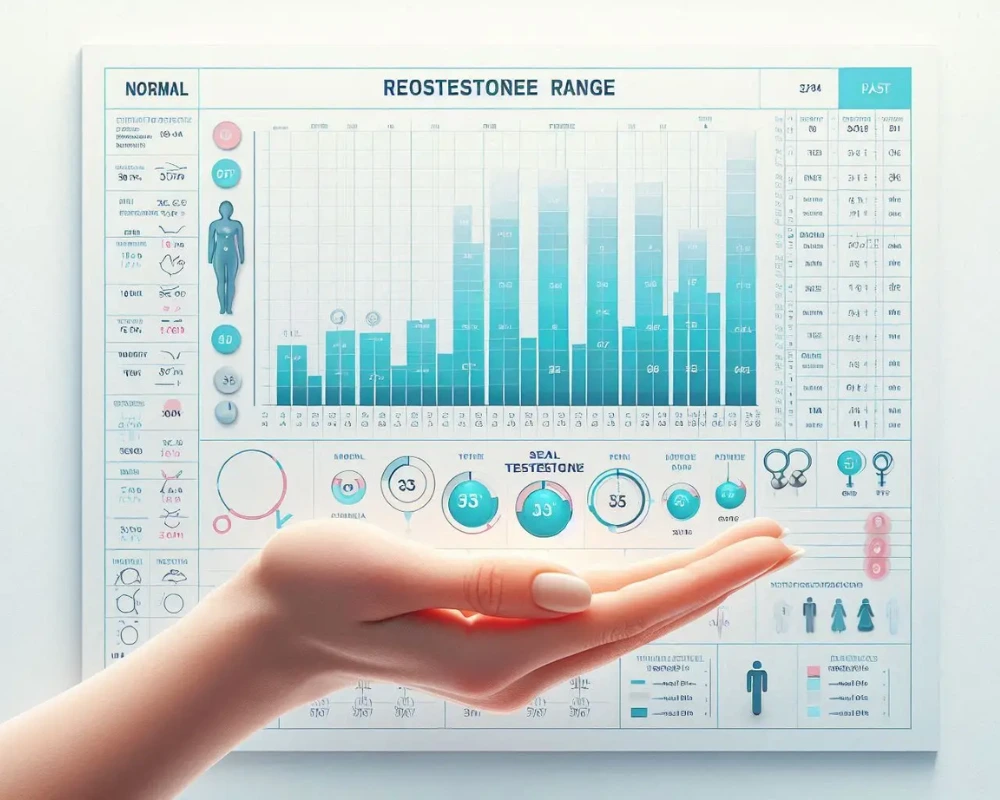
Knowing what’s normal can be confusing, but let’s break it down in a simple way.
Healthy adult women typically have total testosterone levels between 15 and 70 ng/dL. These levels can vary depending on age, menstrual cycle, and overall health.
Testosterone levels naturally change throughout the month and may also decrease after menopause. Therefore, a “normal” level for one woman may feel completely different for another.
That’s why symptoms matter just as much as numbers. Blood tests provide guidance, but how you feel is equally important.
What Happens When Testosterone Is Too Low in Women

Low testosterone is more common than people think, especially in women over 30. Unfortunately, it often goes undiagnosed.
When testosterone levels drop, women may experience:
- Chronic fatigue
- Low motivation
- Decreased muscle strength
- Reduced libido
- Mood swings or mild depression
- Difficulty concentrating
Over time, low testosterone can also affect bone health and body composition. As a result, women may lose muscle and gain fat even without lifestyle changes.
If you’ve ever wondered do women have testosterone and can it be low?—the answer is yes to both.
What Happens When Testosterone Is Too High in Women
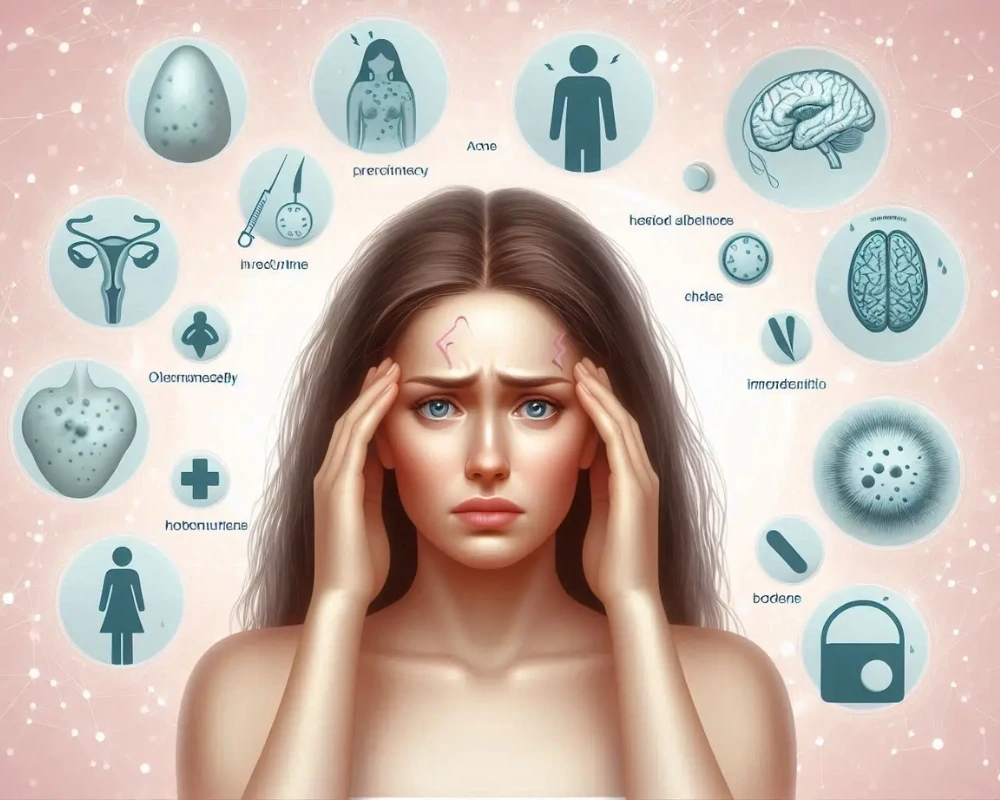
While low testosterone causes one set of problems, high testosterone can create another.
Elevated testosterone levels in women are often linked to conditions like PCOS (Polycystic Ovary Syndrome). This hormonal imbalance affects millions of women worldwide.
Symptoms of high testosterone may include:
- Excess facial or body hair
- Acne or oily skin
- Irregular periods
- Thinning hair on the scalp
- Weight gain, especially around the abdomen
High testosterone doesn’t mean “too much masculinity.” Instead, it signals that the body’s hormone system needs support and balance.
How Testosterone Changes Through a Woman’s Life
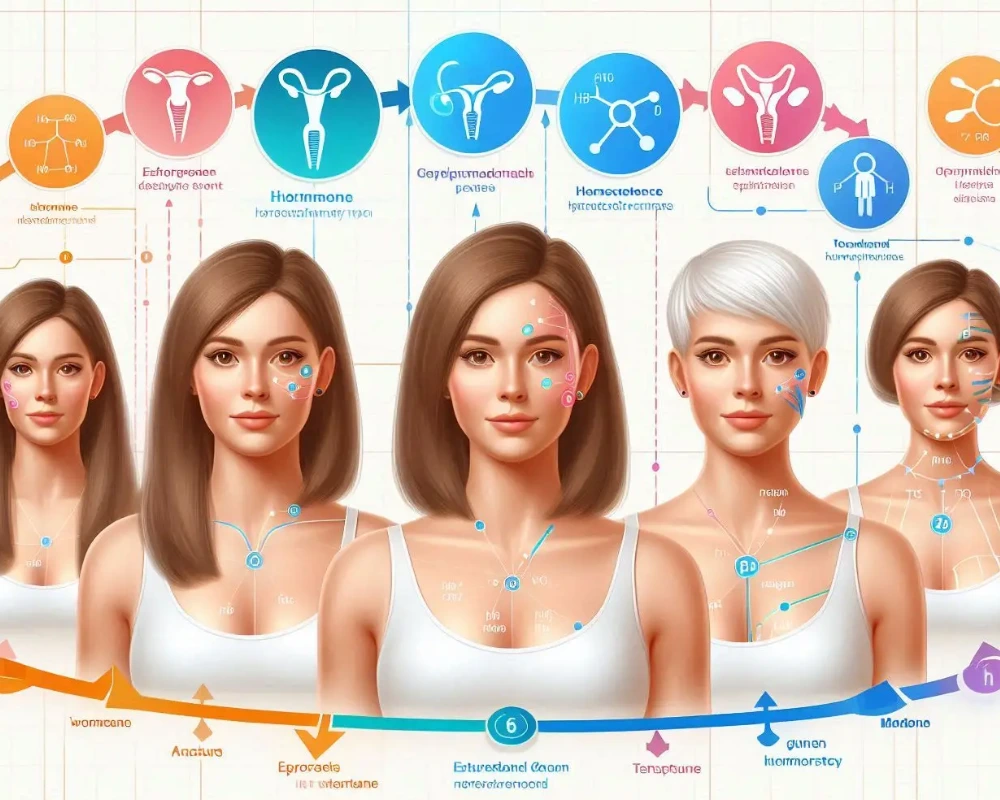
Testosterone levels are not static—they change over time.
During puberty, testosterone helps shape physical development and contributes to energy and strength. In the reproductive years, it supports mood, libido, and muscle tone.
However, as women approach menopause, testosterone levels decline gradually. This drop can contribute to fatigue, reduced desire, and loss of vitality.
Understanding these life-stage changes helps women make informed decisions and avoid unnecessary fear or confusion.
Can Women Increase Testosterone Naturally? Yes, Here’s How
Many women prefer natural ways to support hormone balance—and that’s a smart approach.
Here are proven ways to support healthy testosterone levels:
- Strength training: Lifting weights helps stimulate natural testosterone production.
- Balanced nutrition: Healthy fats, protein, and zinc-rich foods are essential.
- Quality sleep: Poor sleep lowers hormone levels significantly.
- Stress management: Chronic stress increases cortisol, which lowers testosterone.
- Healthy body weight: Extreme dieting can disrupt hormone production.
Small lifestyle changes often make a big difference over time.
Medical Testosterone Therapy for Women: Is It Safe?
In some cases, doctors may recommend testosterone therapy for women—especially when symptoms are severe.
Low-dose testosterone therapy may help with:
- Low libido
- Chronic fatigue
- Muscle weakness
- Reduced quality of life
However, treatment must be carefully monitored. Too much testosterone can cause unwanted side effects, so professional guidance is essential.
Medical support should always be personalized—not based on trends or guesses.
Common Myths About Testosterone in Women (Debunked)
Let’s clear up some common myths once and for all.
Myth 1: Testosterone makes women masculine
Truth: Balanced testosterone supports femininity and vitality.
Myth 2: Only men need testosterone
Truth: Women need it just as much—just in different amounts.
Myth 3: Testosterone therapy is dangerous
Truth: When properly prescribed, it can be safe and effective.
Knowledge removes fear. Understanding hormones empowers women.
Key Points to Remember About Testosterone in Women
- Yes, do women have testosterone—naturally and necessarily
- Testosterone supports energy, mood, muscles, bones, and libido
- Both low and high levels can cause health issues
- Lifestyle habits strongly affect hormone balance
- Medical support is available when needed
Also Read:Why Does My Breast Pain Before Periods? Causes and Relief
FAQs
Do women have testosterone naturally?
Yes, women naturally produce testosterone in their ovaries and adrenal glands.
What causes high testosterone in women?
Conditions like PCOS, stress, and insulin resistance are common causes.
hould women take testosterone supplements?
Only under medical supervision. Self-supplementing is not recommended.