

Stress has become a silent companion in modern life. From work deadlines to family responsibilities, social pressure to financial worries, stress shows up everywhere. Many people don’t even realize how deeply stress affects their health, mood, and daily performance.
The good news is that learning how to reduce stress is possible, even if your life feels overwhelming. You don’t need extreme routines or expensive solutions. Instead, small, smart changes can bring big relief. In this guide, you’ll discover practical and easy ways to reduce stress naturally and build a calmer, healthier life.
What Stress Really Is and Why You Should Reduce It Early
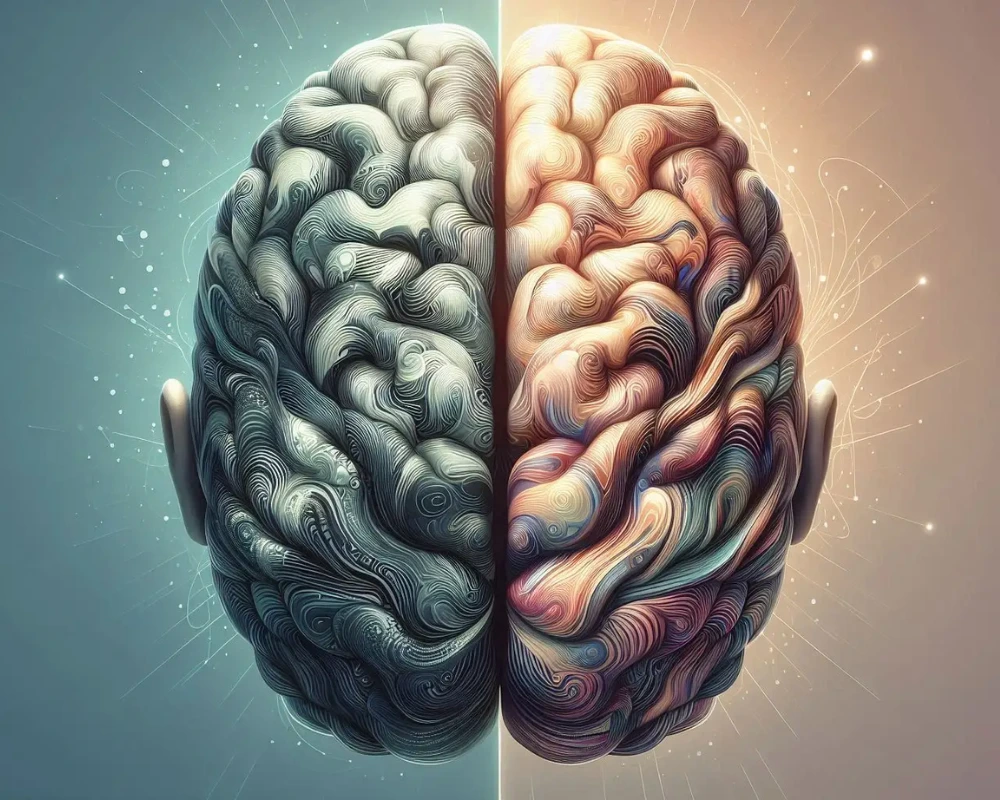
Stress is your body’s natural reaction to challenges or pressure. In short bursts, stress can help you stay alert and focused. However, when stress becomes constant, it turns harmful. Long-term stress keeps your body in “fight or flight” mode, which drains your energy and damages your health.
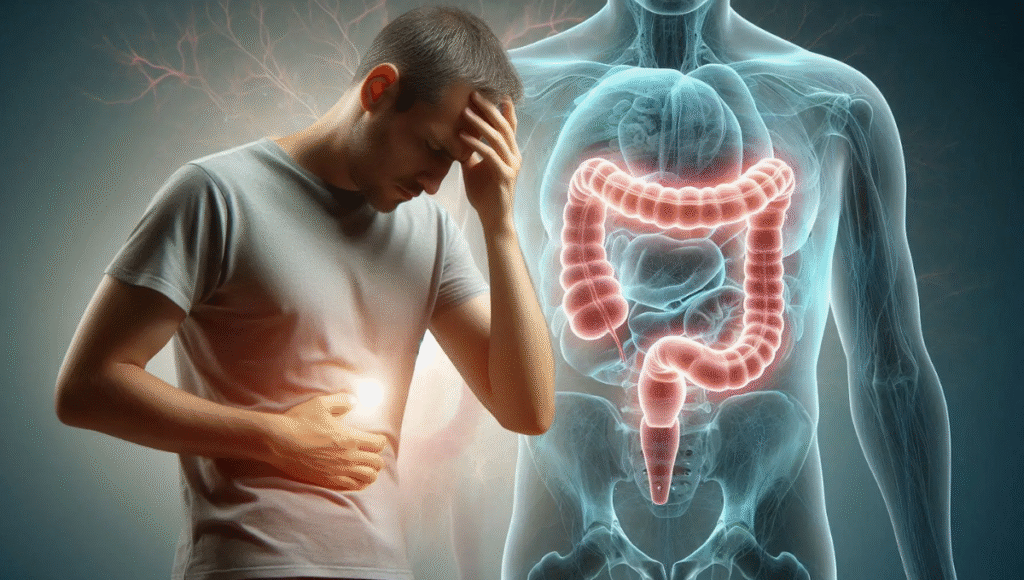
Moreover, chronic stress affects both your mind and body. It can cause headaches, poor sleep, anxiety, digestive issues, and even heart problems. That is why understanding how to reduce stress early is essential. Ignoring stress does not make it disappear; instead, it grows stronger over time.
Additionally, stress does not always come from big problems. Small daily issues—traffic, notifications, unfinished tasks—can pile up and create mental overload. Once you identify these stress sources, you can start managing them instead of letting them control you.
How Your Thoughts Shape Stress Levels More Than You Think
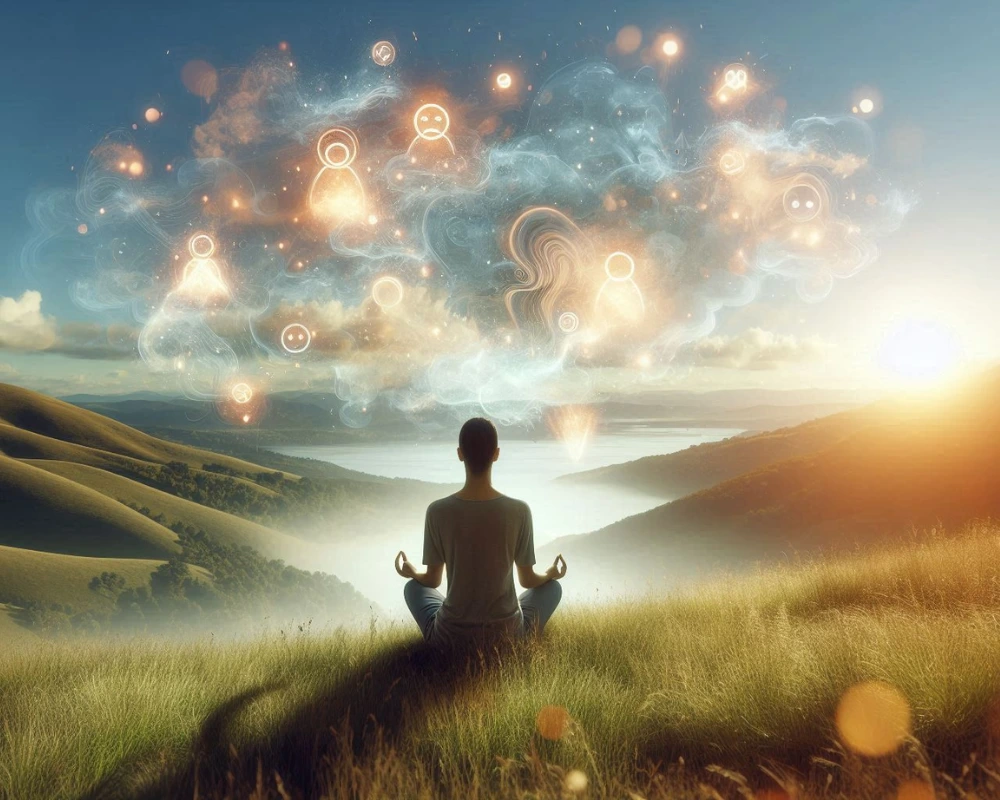
Your mindset plays a huge role in how stressed you feel. Often, stress is not caused by the situation itself but by how you think about it. When your mind focuses on worst-case scenarios, stress increases automatically.
Therefore, learning how to reduce stress begins with changing your thinking patterns. Start by noticing negative thoughts. When something stressful happens, pause and ask yourself if your reaction is helping or harming you. This simple awareness can stop stress from escalating.
Furthermore, practicing gratitude can shift your mental focus. When you consciously appreciate small positives—such as a quiet moment or a completed task—your brain produces calming chemicals. Over time, this habit trains your mind to respond to pressure with balance instead of panic.
Sleep Better to Naturally Reduce Stress and Anxiety

Sleep and stress are closely connected. Poor sleep increases stress hormones, while high stress disrupts sleep. Because of this cycle, improving sleep is one of the most effective ways to learn how to reduce stress.
First, create a consistent sleep schedule. Going to bed and waking up at the same time daily helps your body relax naturally. Also, reduce screen time before sleep. Blue light from phones and laptops keeps your brain active and delays relaxation.
In addition, make your sleep environment comfortable. A dark, quiet, and cool room supports deep rest. Even small changes—like reducing noise or using comfortable bedding—can dramatically improve sleep quality and lower stress levels.
Move Your Body to Release Stress Stored Inside You

Physical movement is a powerful stress-relief tool. When you move your body, it releases endorphins, which are natural mood boosters. These chemicals reduce stress and help you feel more relaxed.
You don’t need intense workouts to see results. Walking, stretching, yoga, or light exercise works perfectly. The key is consistency. Even 20 minutes of movement daily can significantly reduce stress and improve mental clarity.
Moreover, stress often gets stored in the body, especially in the neck, shoulders, and back. Regular movement releases this tension and helps you feel lighter and calmer. Over time, physical activity becomes a natural stress-management habit.
Eat and Drink in a Way That Supports a Calm Mind
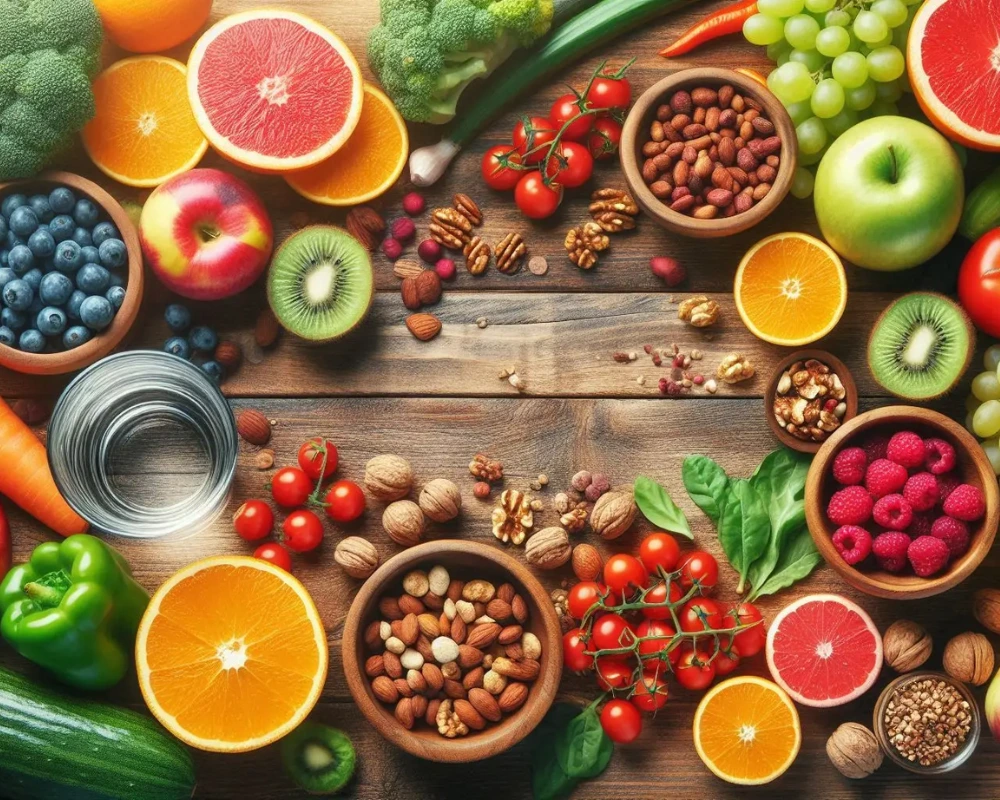
What you eat directly affects how you feel. When stressed, many people reach for sugary or processed foods. Unfortunately, these foods increase anxiety and energy crashes, making stress worse.
Instead, choose whole and balanced foods. Fruits, vegetables, whole grains, and healthy fats support brain health and stabilize mood. Foods rich in magnesium, such as nuts and leafy greens, are especially helpful for reducing stress.
Additionally, staying hydrated is crucial. Dehydration increases irritability and fatigue, which raises stress levels. Drinking enough water throughout the day helps your body stay balanced and your mind stay calm.
Breathing and Relaxation Techniques That Calm Stress Fast
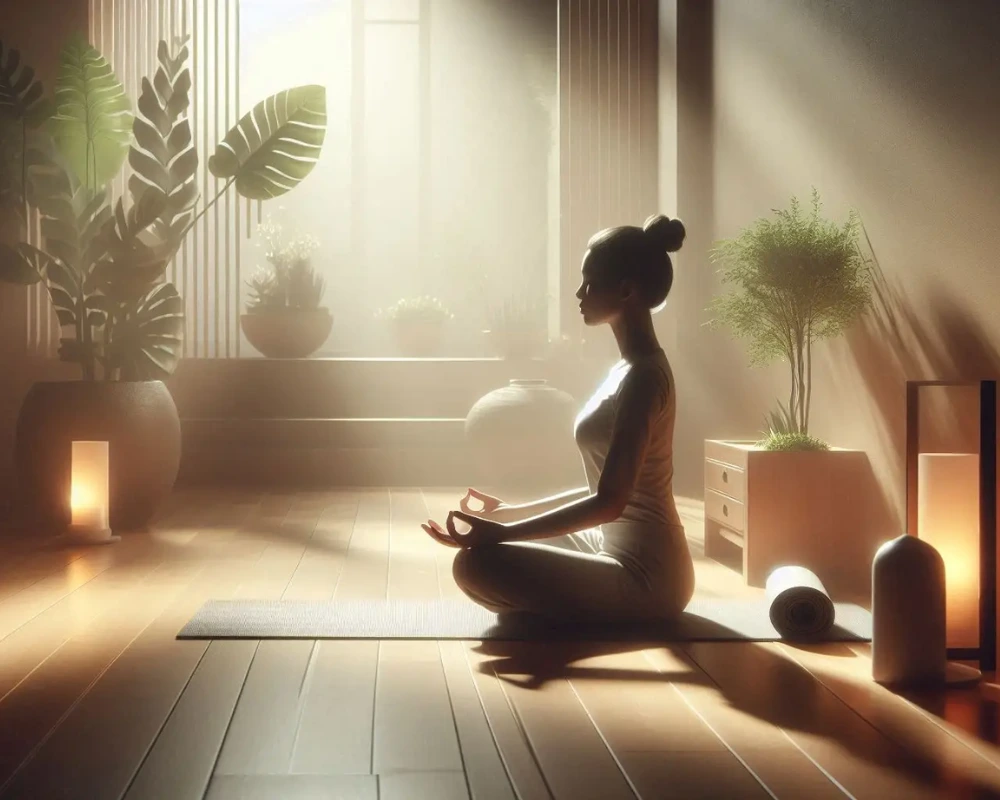
When stress hits suddenly, breathing techniques can bring immediate relief. Deep breathing tells your nervous system that it’s safe to relax.
One effective technique is slow belly breathing. Inhale deeply through your nose, let your belly expand, and exhale slowly through your mouth. Just a few minutes of this practice can lower stress instantly.
Another powerful method is progressive muscle relaxation. You tighten and release different muscle groups one by one. This helps your body let go of hidden tension and brings a deep sense of calm, especially before sleep.
Reduce Stress by Managing Time and Daily Responsibilities
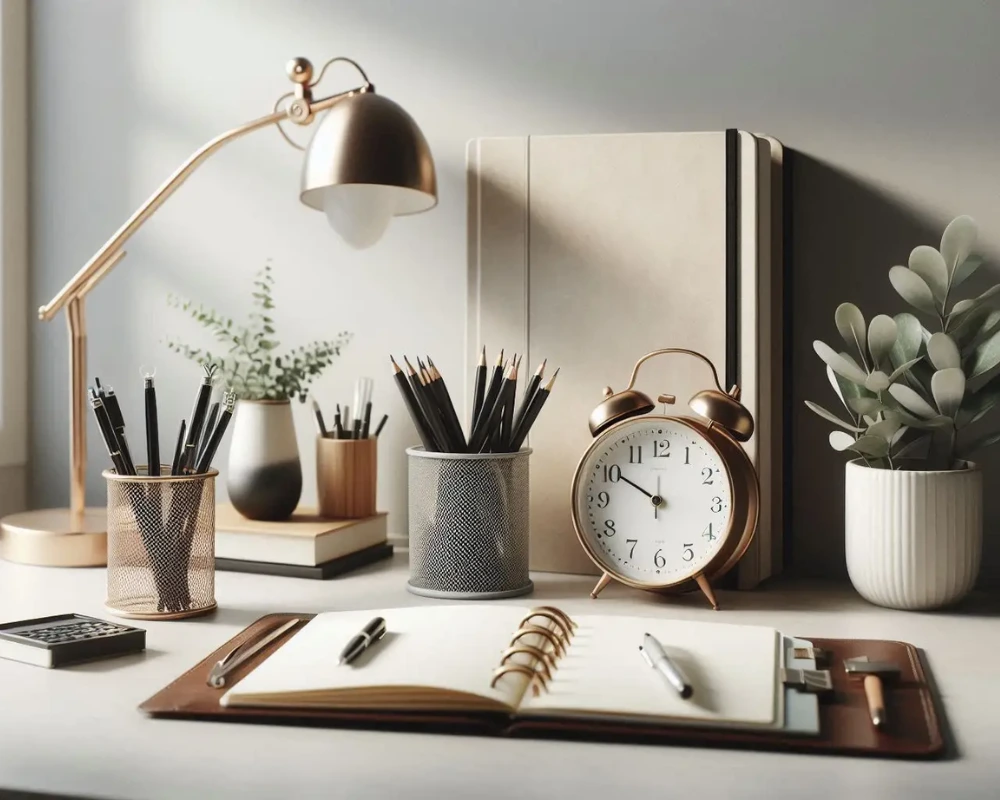
Poor time management is a major stress trigger. When tasks pile up, your brain feels overwhelmed. Learning how to reduce stress often starts with organizing your day.
Begin by breaking tasks into smaller steps. Instead of focusing on everything at once, complete one task at a time. This reduces mental pressure and increases productivity.
Also, learn to set boundaries. Saying “yes” to everything leads to burnout. Protecting your time and energy allows you to focus on what truly matters, reducing unnecessary stress.
Social Connection and Emotional Support Matter More Than You Realize

Humans are social beings, and isolation increases stress. On the other hand, connection reduces it. Talking to someone you trust helps release emotional pressure.
You don’t always need advice—sometimes you just need to be heard. Sharing thoughts with friends or family creates a sense of support and safety.
Moreover, spending time with positive people boosts emotional resilience. Laughter, conversation, and shared experiences naturally lower stress hormones and improve mood.
Build Long-Term Habits for a Stress-Free Lifestyle
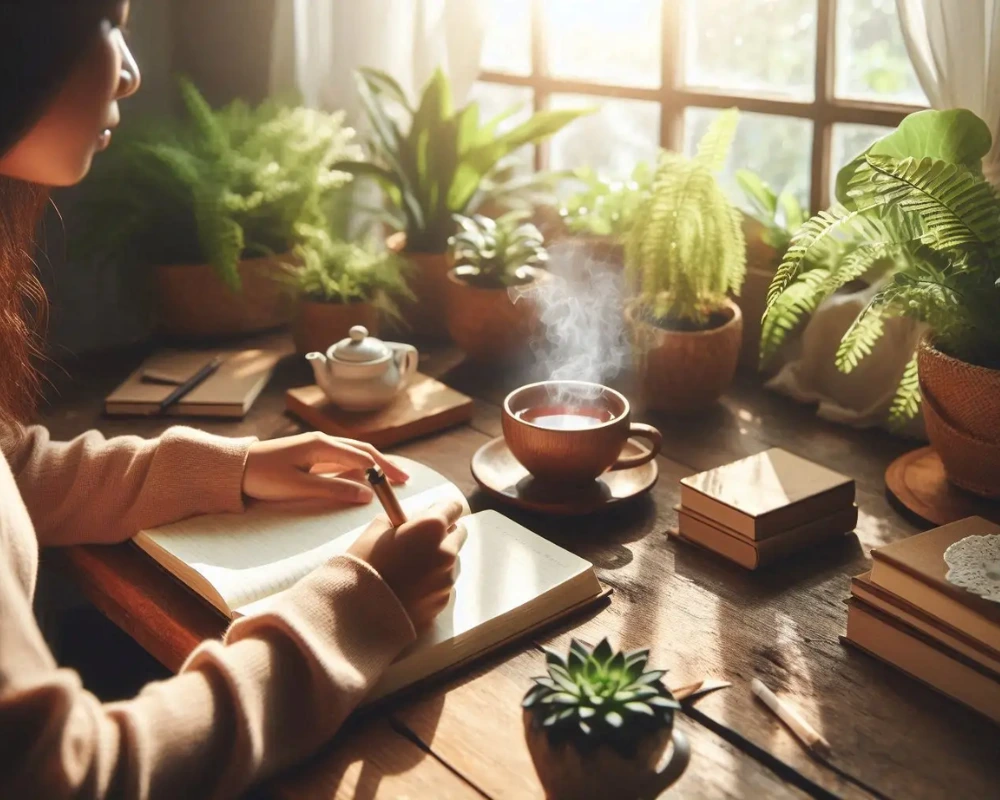
Reducing stress is not a one-time action; it’s a lifestyle. Small daily habits create lasting calm. Start with one habit, such as morning breathing or evening journaling, and build gradually.
Mindfulness practices help you stay present instead of worrying about the future. Journaling allows you to release thoughts instead of carrying them all day.
Most importantly, be kind to yourself. You don’t need perfection to succeed. Progress, patience, and consistency are the true keys to learning how to reduce stress for life.
How to Reduce Stress Effectively
- Understand your stress triggers
- Improve sleep and daily routines
- Move your body regularly
- Eat healthy and stay hydrated
- Practice breathing and relaxation
- Set boundaries and manage time
- Stay socially connected
Also Read:Healthy Breakfast Ideas: Power-Packed Morning Meals to Boost Energy 2026
FAQs
What is the best way to reduce stress naturally?
Deep breathing, regular exercise, good sleep, and a healthy diet are the most effective natural stress reducers.
How long does it take to reduce stress?
Some techniques work instantly, while lifestyle changes show results over weeks with consistency.
Does mindset really affect stress?
Absolutely. Positive thinking and awareness significantly reduce stress responses.